POLITICAL STAGE
Eagle's Nest (Kehlsteinhaus):
Summit Diplomacy & History
Designed to impress foreign dignitaries, the Eagle's Nest (Kehlsteinhaus) was a stage for intimidation and diplomacy high above Berchtesgaden. Yet, the "master" of the Obersalzberg rarely visited. Discover the true history of this alpine fortress.
Purpose
Diplomatic Reception
Guests
Ambassadors & Generals
Visits
< 20 by Hitler
Capture
101st Airborne (1945)
A Stage for the World
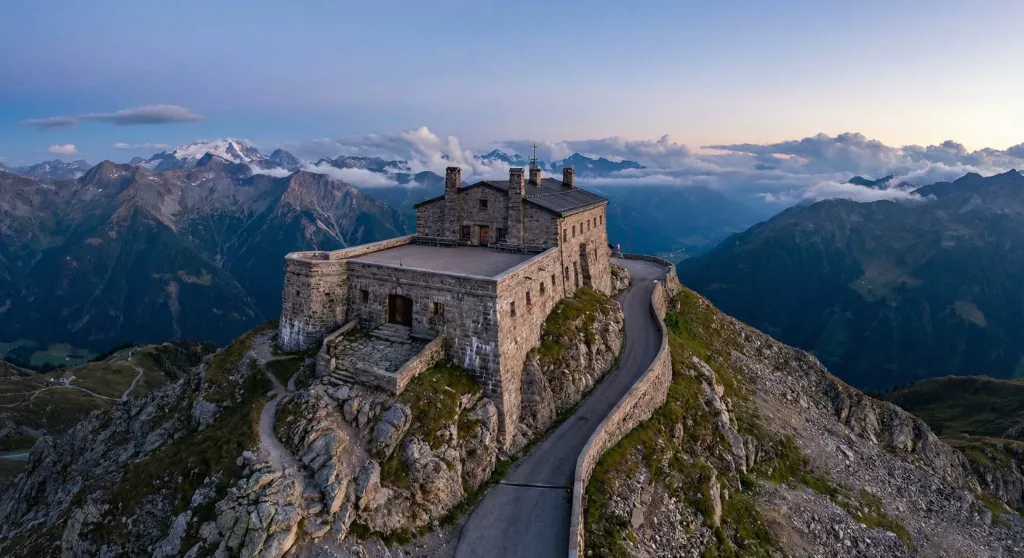
The Kehlsteinhaus, commonly known as the Eagle's Nest, was built to overwhelm. Martin Bormann intended it to be a place to receive foreign diplomats, literally looking down on the world from a stone fortress. The architecture is heavy, imposing, and designed to project power over the Obersalzberg.
However, the intended resident despised it. Hitler complained the air was too thin, the road was too dangerous, and the elevator was a trap. He preferred the comfortable, domestic atmosphere of the Berghof below. Most of the "diplomacy" here happened with his inner circle or during rare official receptions, such as the wedding of Eva Braun's sister.
The Fear of Technology
Hitler was actually terrified of the brass elevator. He didn't trust the winch mechanism and was convinced the lightning rod system on the roof was insufficient. He visited the house fewer than 20 times, often preferring to stay safe at the bottom of the mountain. It was a 30-million-Mark gift he never wanted.
What to Look For
Inside the House
The Great Hall
Dominated by the famous red marble fireplace—a gift from Mussolini. Look closely at the mantle; you can still see chips and names carved into the stone by Allied soldiers who captured the house in 1945, claiming souvenirs from the "Eagle's Nest."
The Scharitzstube
Often called the "Eva Braun Room," this wood-paneled corner room is much lighter and airier than the main hall. It offers the best views down toward the Königssee and was the preferred retreat for private conversations away from the military brass.
From Symbol to Restaurant
After the war, the Allies planned to destroy the house. However, local governor Jakob Jacob intervened, arguing it would serve as extraordinary tourism infrastructure. By 1952, it was returned to the Bavarian state and opened as a mountain restaurant.
Today, the Eagle's Nest is owned by a charitable foundation, the Berchtesgadener Landesstiftung. Proceeds from your ticket don't go to a corporation—they are used to fund local projects, preserving the landscape and supporting the community. It's a remarkable turnaround: a symbol of tyranny now serves the public good.
Today, it is a place of historical reflection, where visitors from all nations eat cake in the same room where plans for domination were once discussed. It stands as a symbol not of the regime's power, but of its ultimate defeat and the endurance of peace.