Bavaria's Top 10
Winter Hits
Winter transforms Bavaria into a snow-covered wonderland. The crowds thin out, the castles look magical under frost, and the gorges become ice cathedrals.
From skiing on Germany's highest peak to walking through frozen canyons lit by torches, here are the 10 essential winter experiences—and what you actually need to know before you go.
 1
1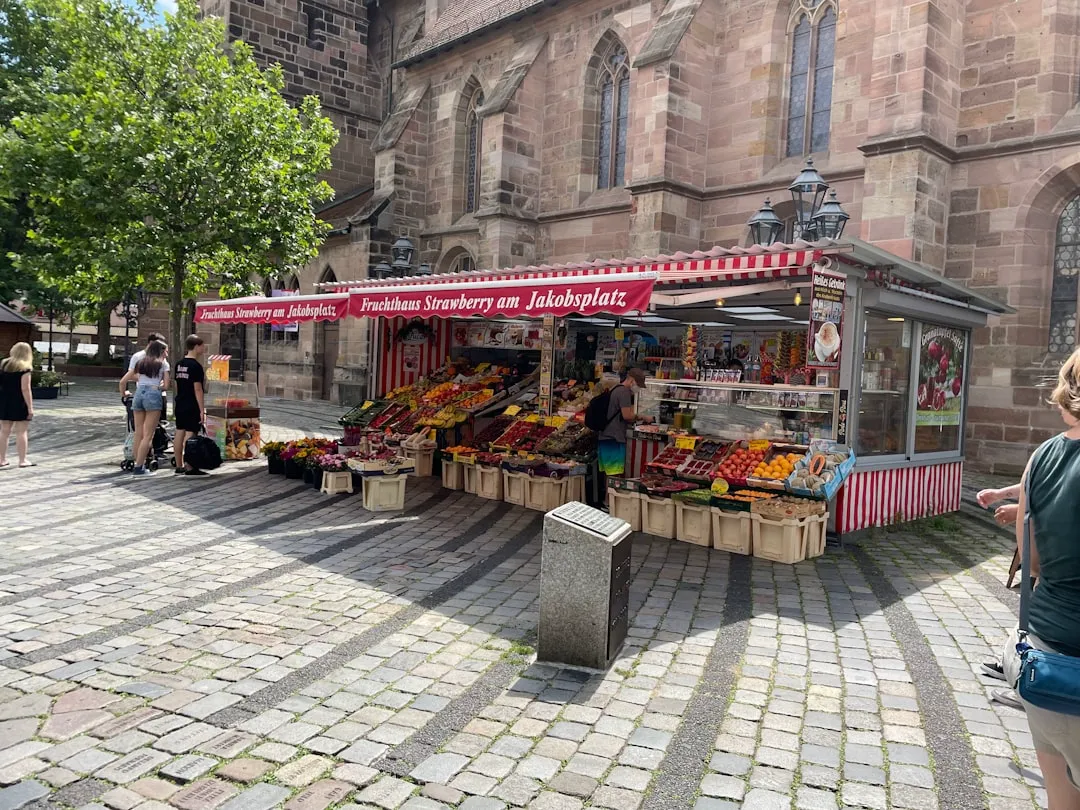 2
2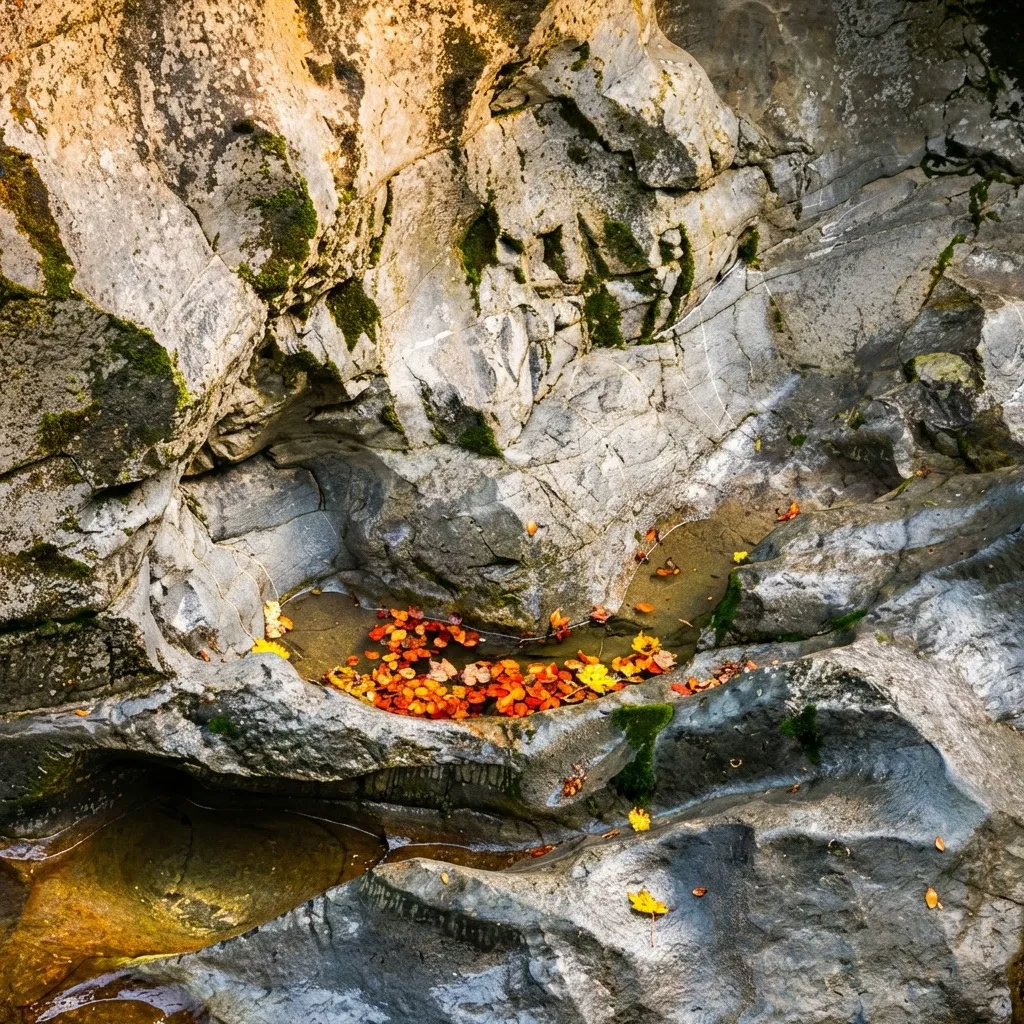 3
3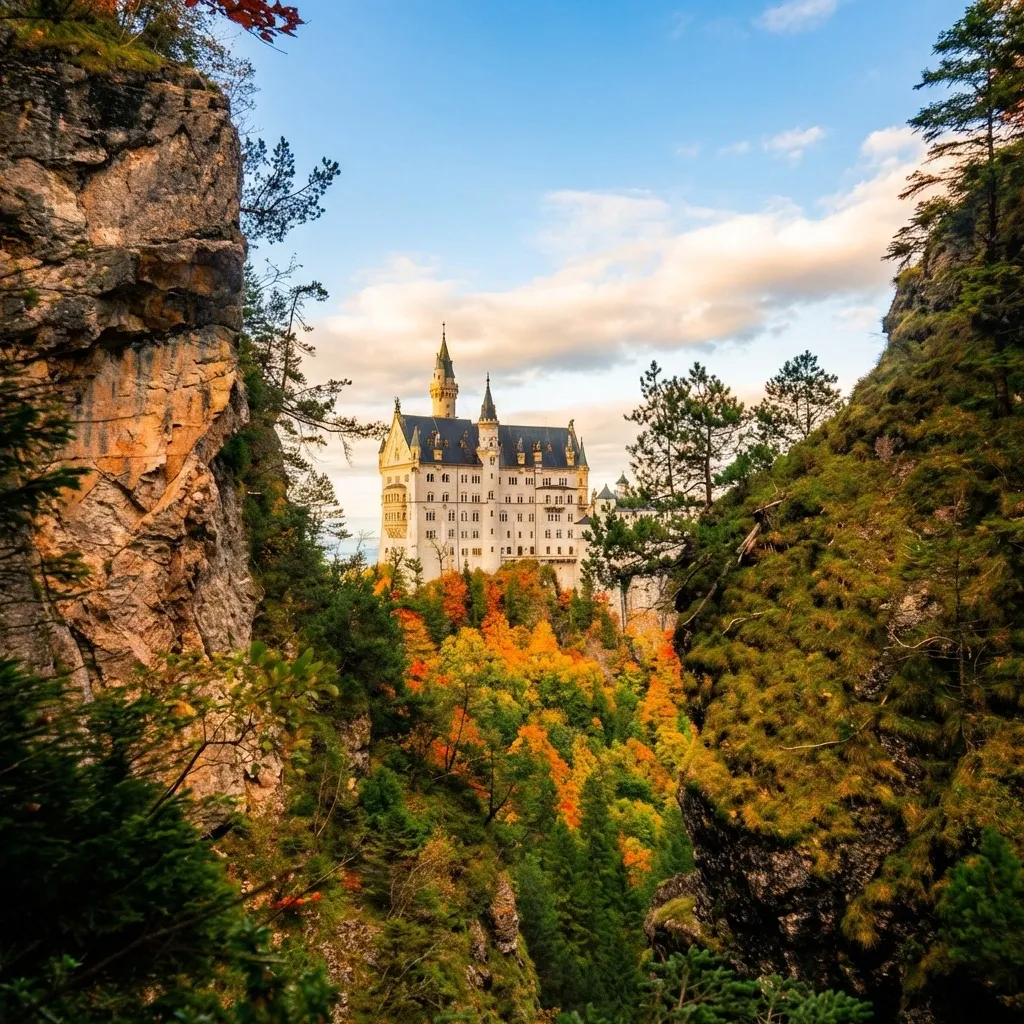 4
4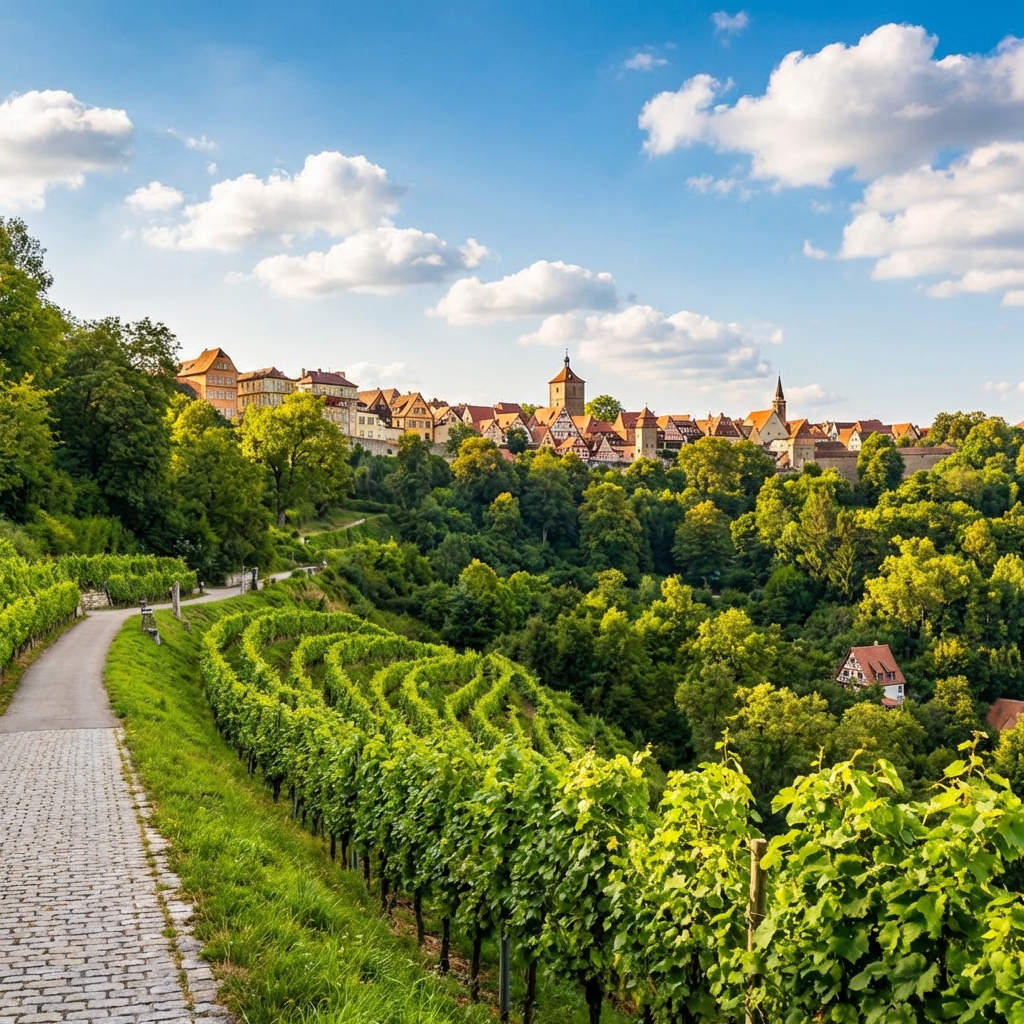 5
5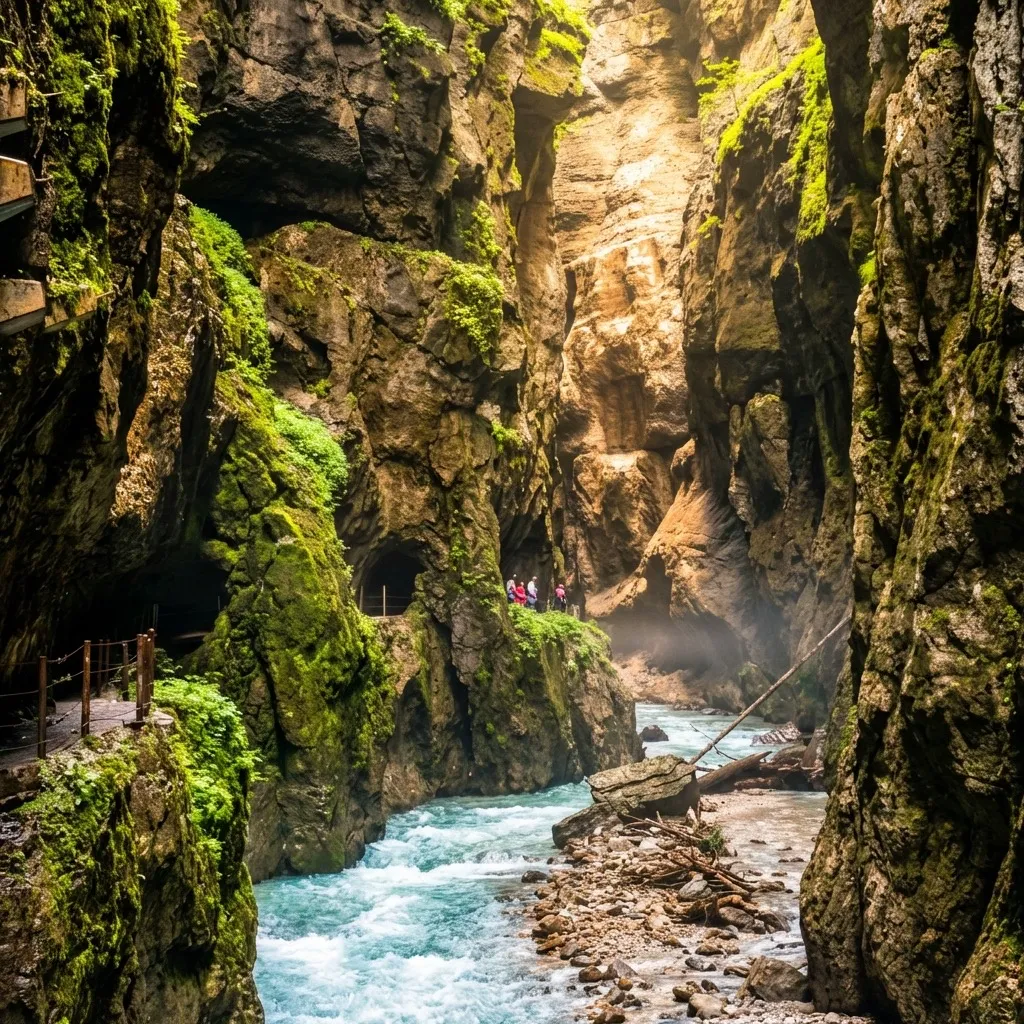 6
6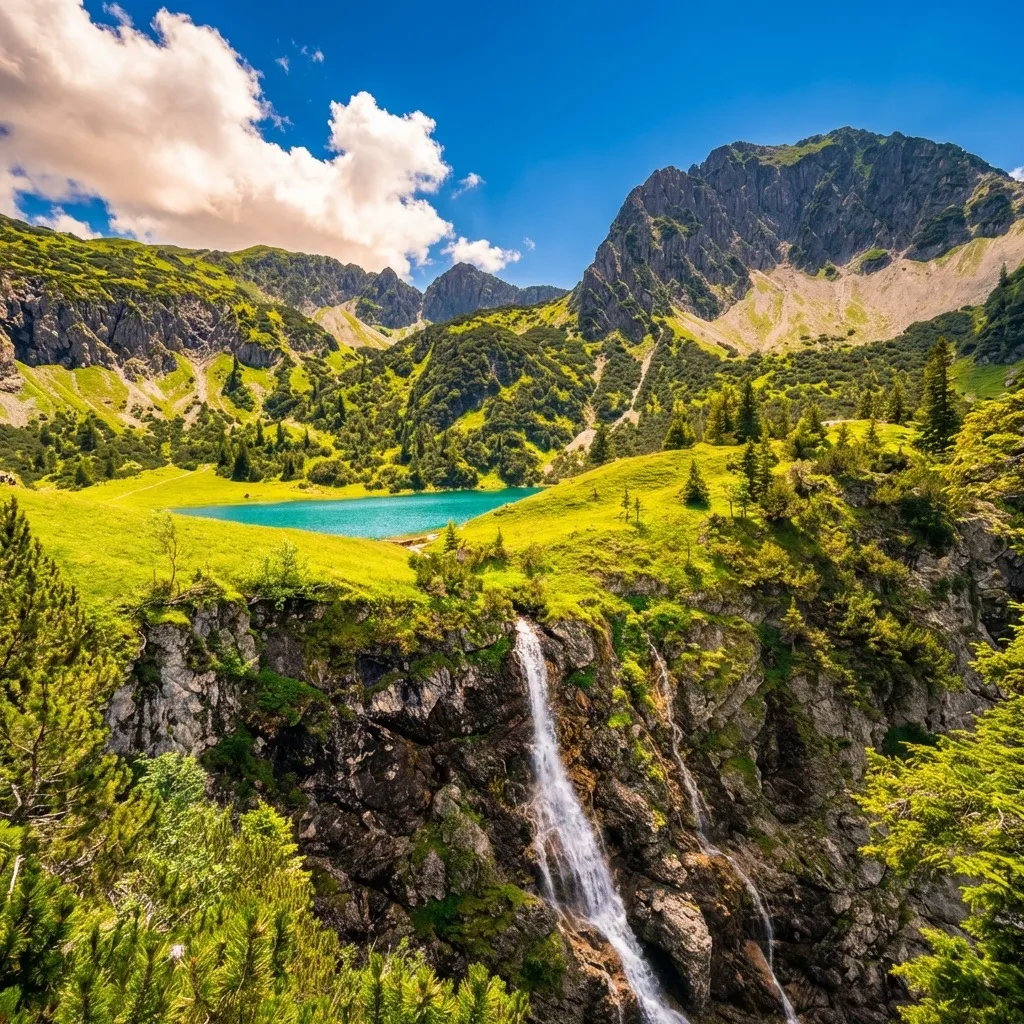 7
7 8
8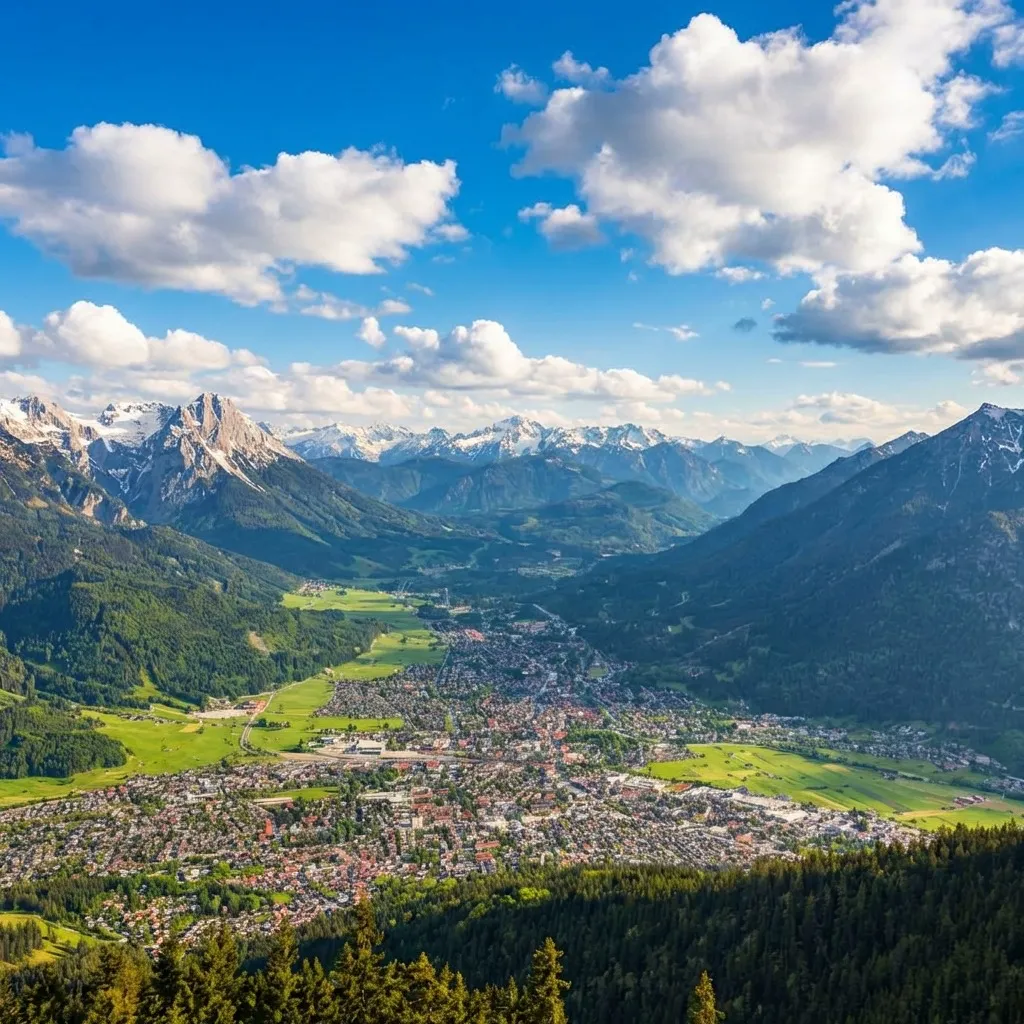 9
9 10
10Season
December - March
Main Risk
Ice & Closures
Strategy
Check Conditions
Best Winter Experiences
The Top 10
Zugspitze Summit→
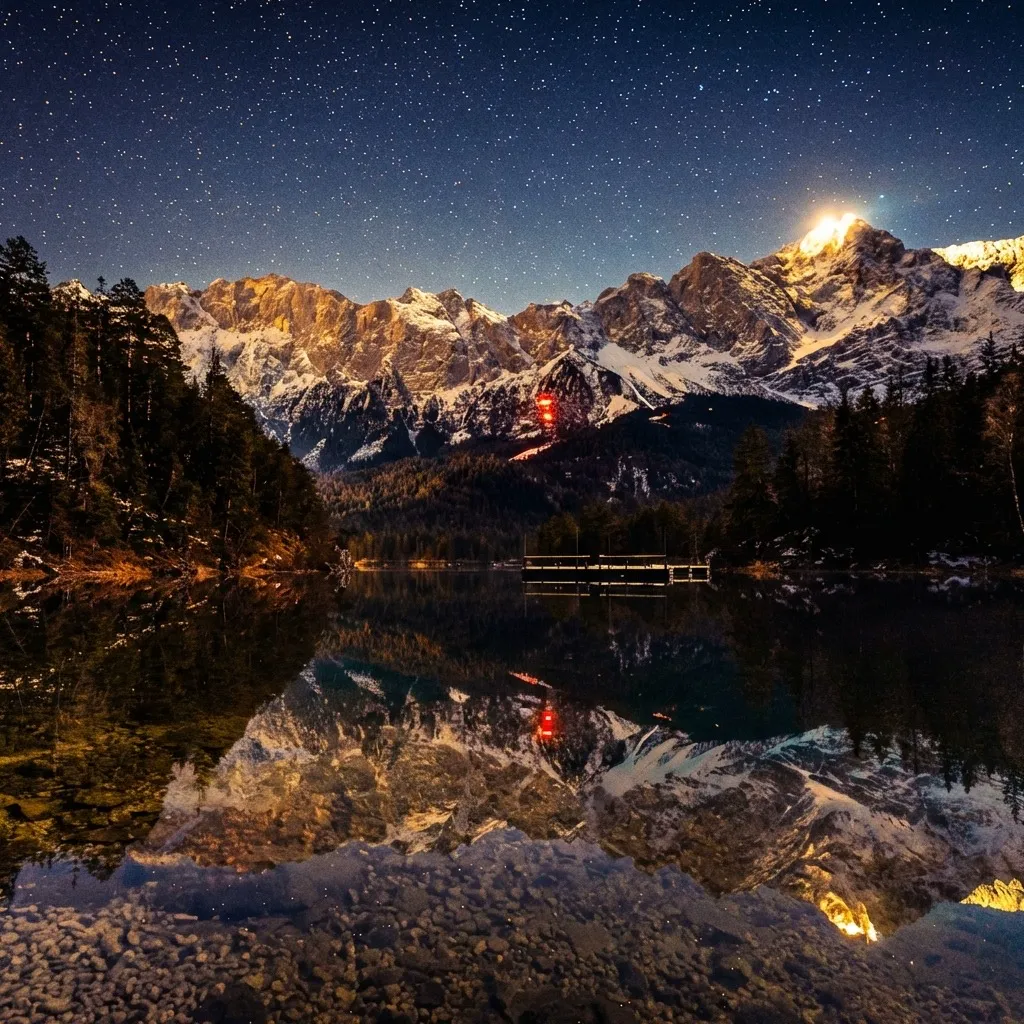
Germany's highest peak (2,962m) offers skiing on the glacier, spectacular panoramas above the clouds, and the unique experience of standing at the country's rooftop. In winter, the snow-covered peaks stretch endlessly into Austria and Italy.
The Real Deal
Altitude Matters: At 2,962m, there's 30% less oxygen. Take the slow cogwheel train up to acclimatize, then the cable car down. Going fast up can cause headaches and nausea.
The Glacier: The Zugspitzplatt glacier area offers skiing even when lower resorts have no snow. But it's small and gets crowded on good weather days.
Nuremberg Christkindlesmarkt→
Germany's most famous Christmas market transforms the medieval Hauptmarkt into a winter wonderland. The scent of Lebkuchen, Glühwein steam rising in the cold air, and the iconic Nuremberg sausages make this the definitive German Christmas experience.
The Real Deal
Weekday Mornings: The market runs late November to December 24. Weekends are packed. Visit on a Tuesday or Wednesday morning for the best experience.
Rock Cellars: The medieval rock-cut beer cellars maintain 8-10°C year-round—a perfect warm escape from the cold market. Book the tour in advance.
Breitachklamm Ice Cathedral→
Central Europe's deepest gorge transforms into an otherworldly ice cathedral in winter. Massive icicles up to 10 meters long hang from the cliffs, and the frozen waterfalls create a blue-white wonderland.
The Real Deal
Torchlit Hikes: Tuesday and Friday evenings, they offer Fackelwanderung (torchlit hikes) through the frozen gorge. It's magical but books out fast.
Microspikes Required: The paths are cleared but icy. Bring Grödel (microspikes) or rent them at the entrance. Regular hiking boots will slip.
Neuschwanstein in Snow→
The fairytale castle is magical in summer, but under a blanket of snow it becomes something else entirely. The crowds drop by 70%, and the winter light makes the illusionist frescoes (Lüftlmalerei) look startlingly real.
The Real Deal
Marienbrücke Closed: The famous bridge viewpoint closes in winter due to ice. But the castle itself stays open, and the uphill walk through snow is beautiful.
Cross-Country Skiing: In January-February, cross-country ski trails run directly below the illuminated castle at night. It's a unique way to see it.
Rothenburg Reiterlesmarkt→
Germany's most atmospheric Christmas market fills the medieval walled town. The half-timbered houses, the Plönlein intersection, and the year-round Christmas Museum make this the most photogenic winter destination in Bavaria.
The Real Deal
Stay Overnight: Day-trippers flood the town from 11 AM to 5 PM. Stay overnight and experience the medieval streets at dawn and dusk—virtually empty and magical.
Käthe Wohlfahrt: The year-round Christmas store is impressive but expensive. Buy your ornaments at the market stalls for half the price.
Partnach Gorge Frozen→
The gorge "sweats" in winter—freezing water seeps through the rock and creates dramatic ice curtains along the 700-meter canyon walls. It's open year-round and genuinely spectacular in the cold months.
The Real Deal
Free Iron Bridge View: You can see the gorge from above for free via the Iron Bridge. Hike 20 minutes uphill from the ticket area for aerial views of the frozen canyon.
Sturdy Boots Only: The 2.2km approach walk from the Olympic Stadium is flat but icy. Inside the gorge, the metal walkways can be slippery. Microspikes recommended.
Oberstdorf Winter Sports→
Germany's southernmost town offers the full winter sports package: downhill skiing, cross-country trails, the Nebelhorn summit often above the clouds, and the famous ski flying hill where you can take the elevator up for unique photos.
The Real Deal
Winter Hiking: Follow the magenta-signed winter trails if you're not skiing. The Nebelhorn summit (2,224m) is often sunny while the valley sits in fog.
Loipe Law: Children must stay off groomed cross-country ski tracks. It's strictly enforced. Stick to the winter walking paths.
Therme Erding→
Europe's largest thermal bath complex is the ultimate winter escape. When it's freezing outside, you can swim in warm outdoor pools with steam rising around you, or tackle 27 water slides in the Galaxy zone.
The Real Deal
MVV-Thermenticket: At €43-45, this includes round-trip train from Munich plus 4 hours access. It's the best value if you're coming from the city.
Rainy Day Warning: On cold, rainy weekends, half of Munich has the same idea. Book online reservations (€2.90-10) or risk being turned away at capacity.
Wank Mountain Sunset→
Garmisch's "balcony" mountain offers superior views of the Zugspitze at a fraction of the cost and crowds. In winter, special Christmas sunset rides (Dec 19-Jan 6) let you watch the alpenglow paint the peaks pink.
The Real Deal
January Closure: CRITICAL: The Wankbahn is closed January 7 to April 2 for maintenance. Don't plan a winter trip around this without checking the dates.
Summit Kaiserschmarrn: The DAV Wank-Haus serves the best Kaiserschmarrn in the region. The flat summit Panoramaweg is walkable even in winter boots.
Munich Residenz→
When the weather outside is genuinely awful, the largest urban palace in Germany offers 130 heated rooms of Wittelsbach opulence. The Treasury's crown jewels and the massive Antiquarium hall are world-class indoor alternatives.
The Real Deal
Combination Ticket: Three separate areas require tickets: Residenz Museum, Treasury, and Cuvilliés Theatre. Buy the combo to save money and avoid repeat queuing.
Hofgarten: Even in winter, the Hofgarten courtyard (free entry) is beautiful with bare trees and the Diana Temple. It connects to the English Garden for a brisk walk.