Bavaria's Top 10
History Hits
Bavaria isn't just beer and lederhosen. It's where the Holy Roman Empire met, where kings went mad building castles, and where the darkest chapters of the 20th century unfolded.
From UNESCO World Heritage cities that survived the bombs to palaces that make Versailles look restrained, here are the 10 places where you can actually touch history—and the honest truth about visiting them.
 1
1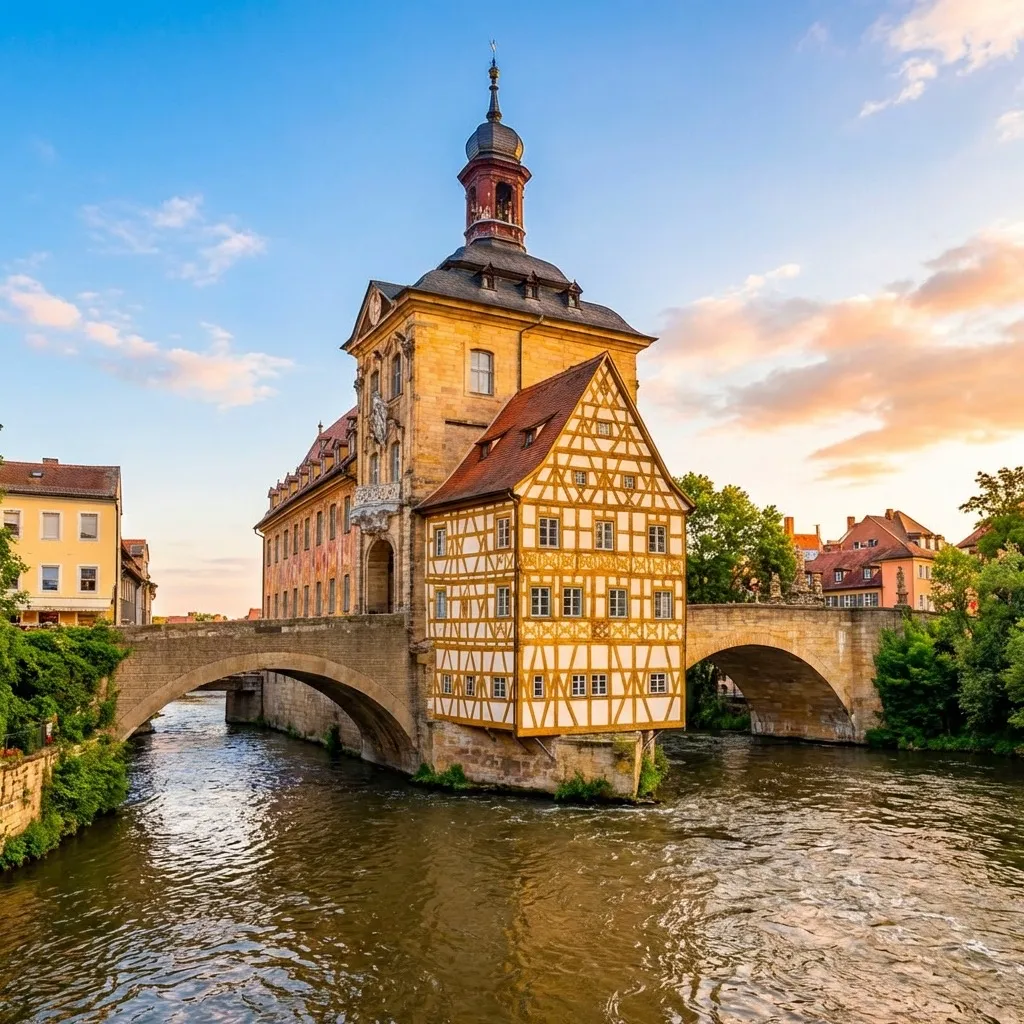 2
2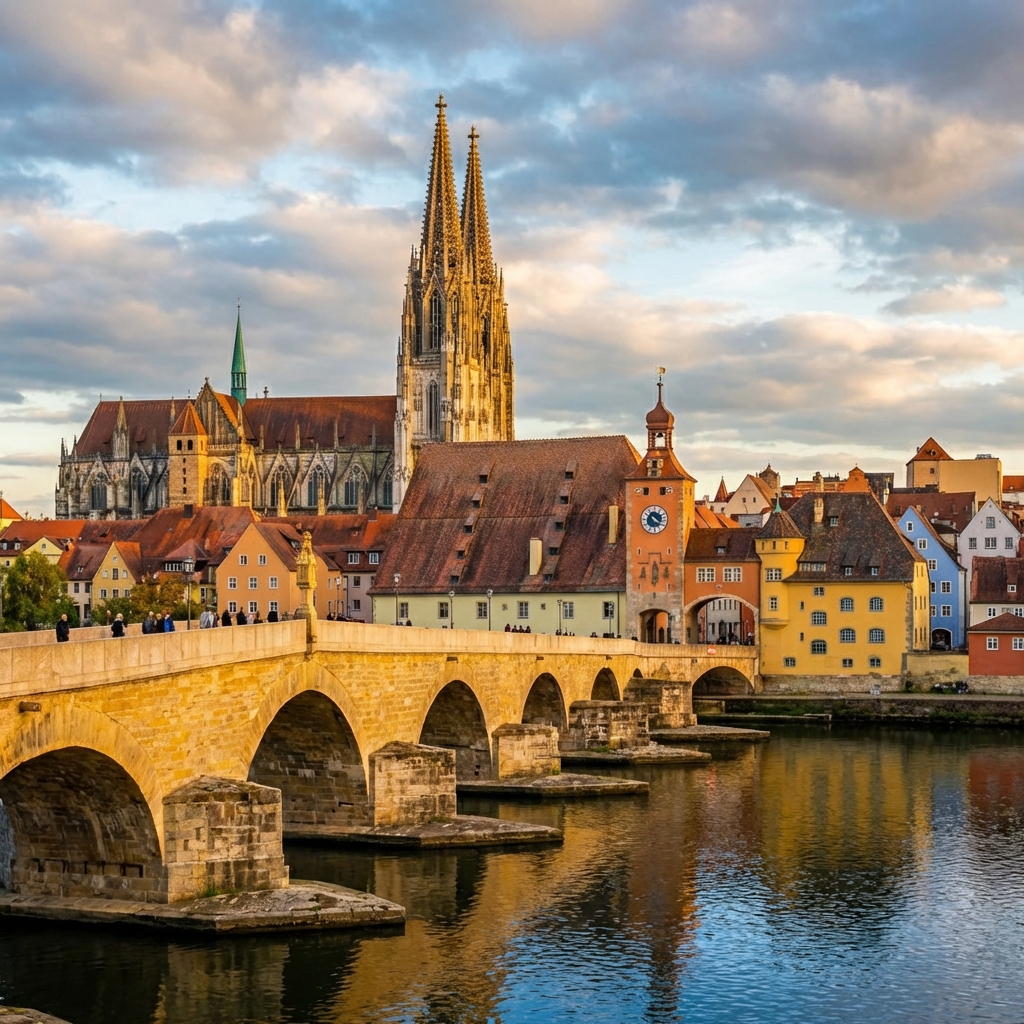 3
3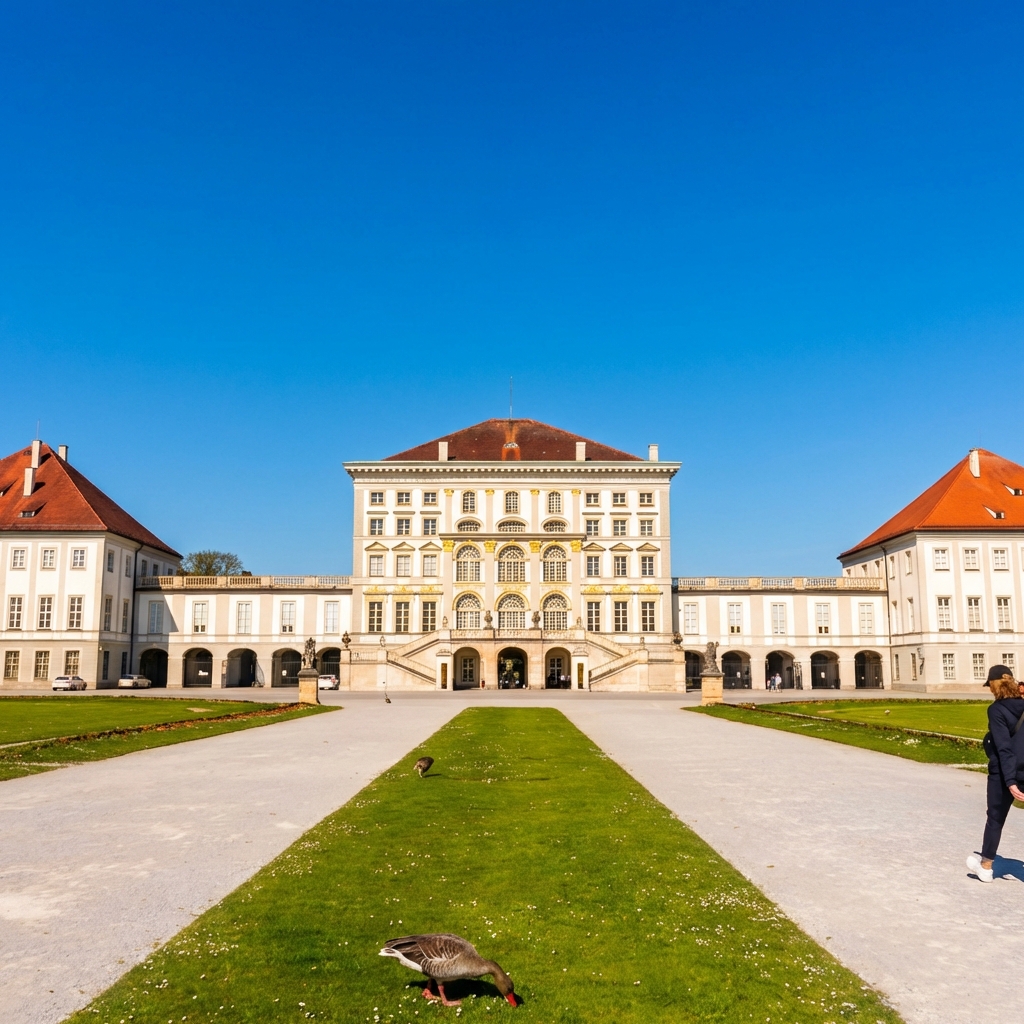 4
4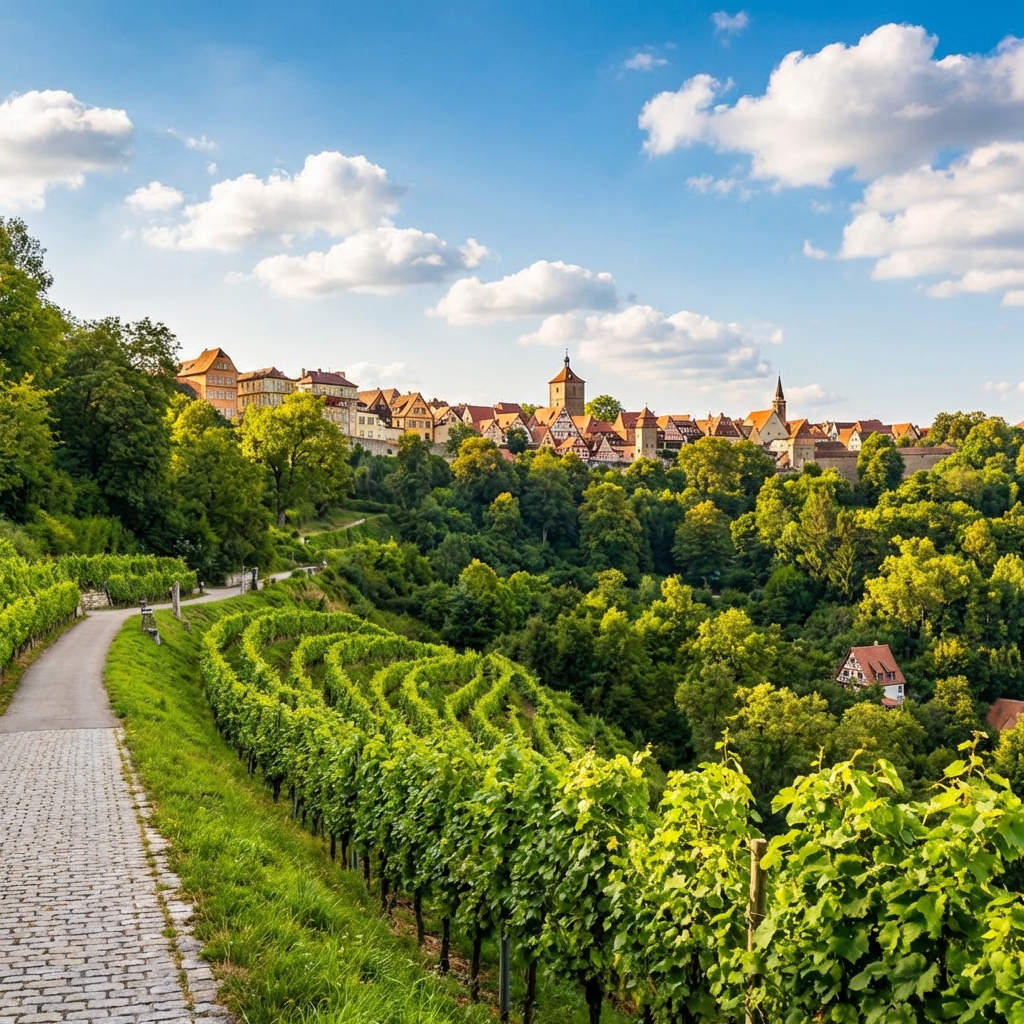 5
5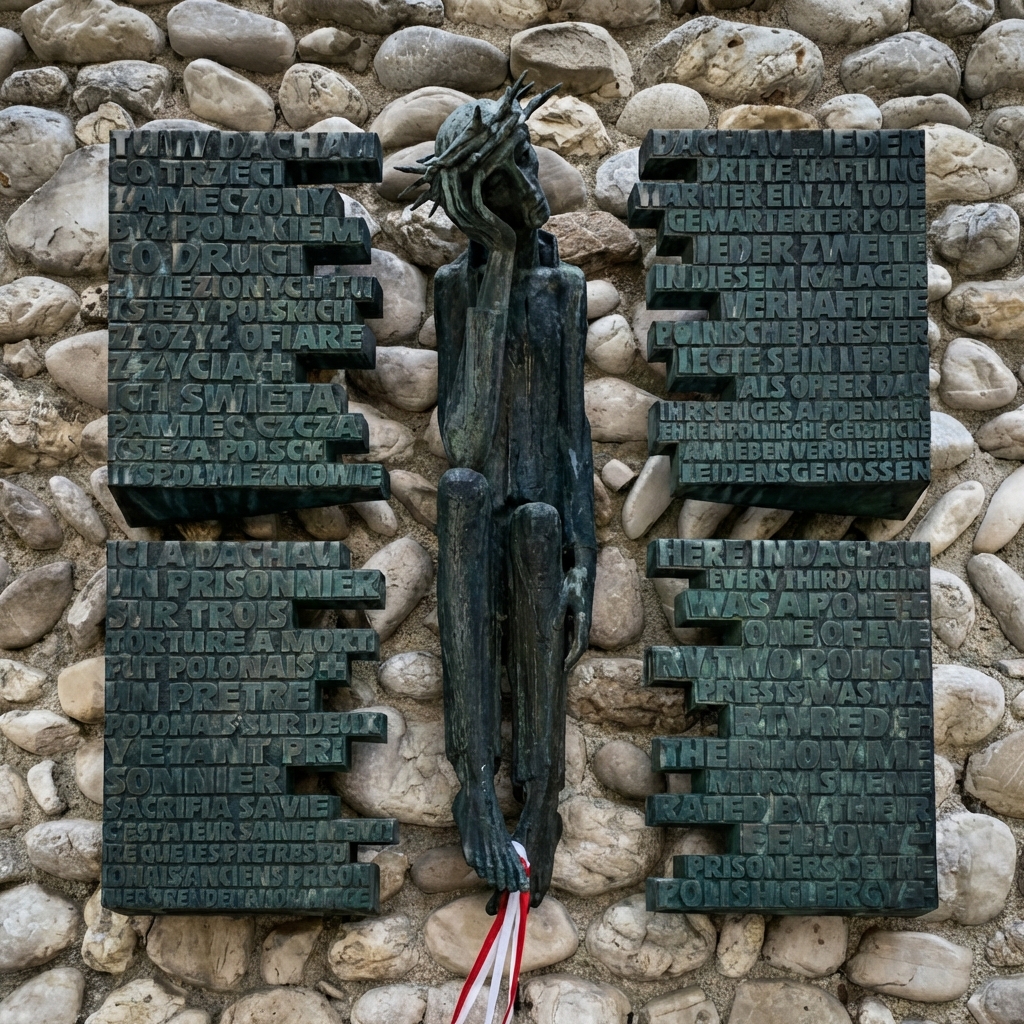 6
6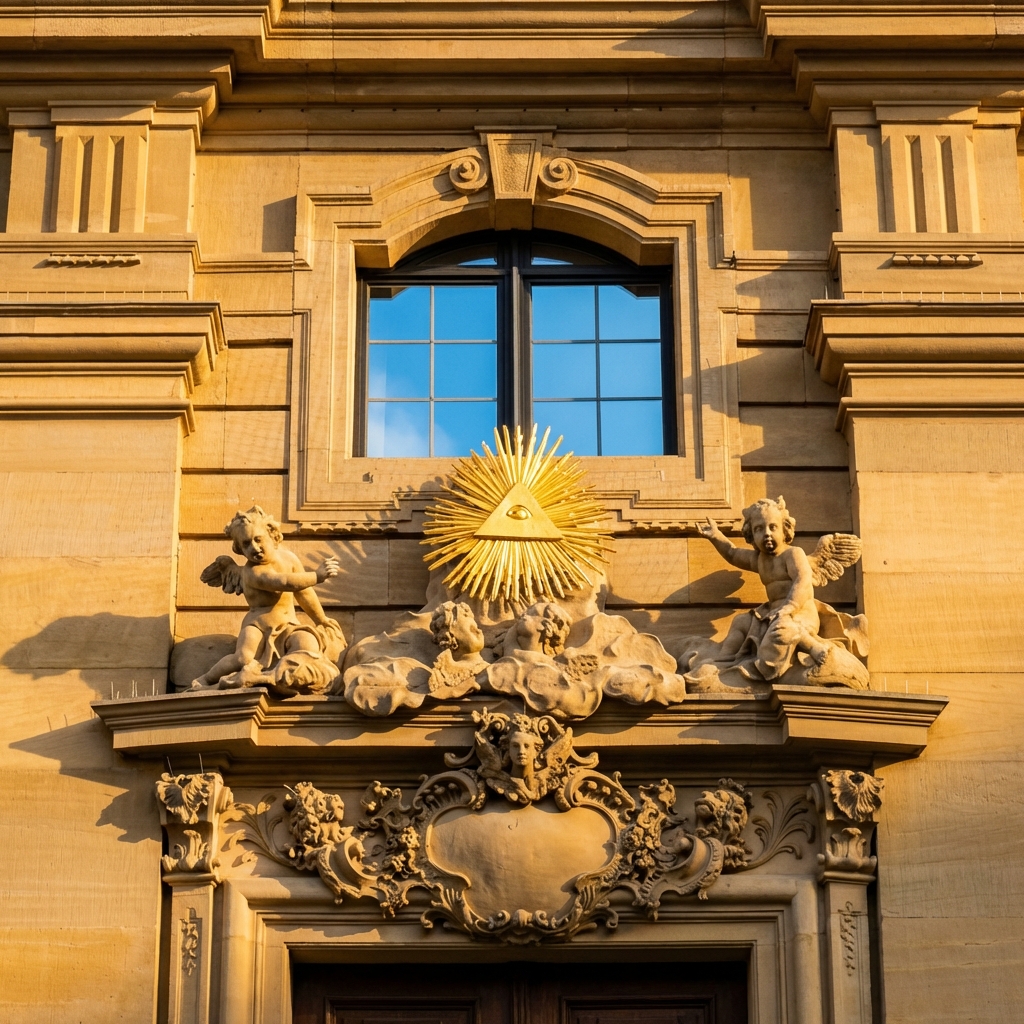 7
7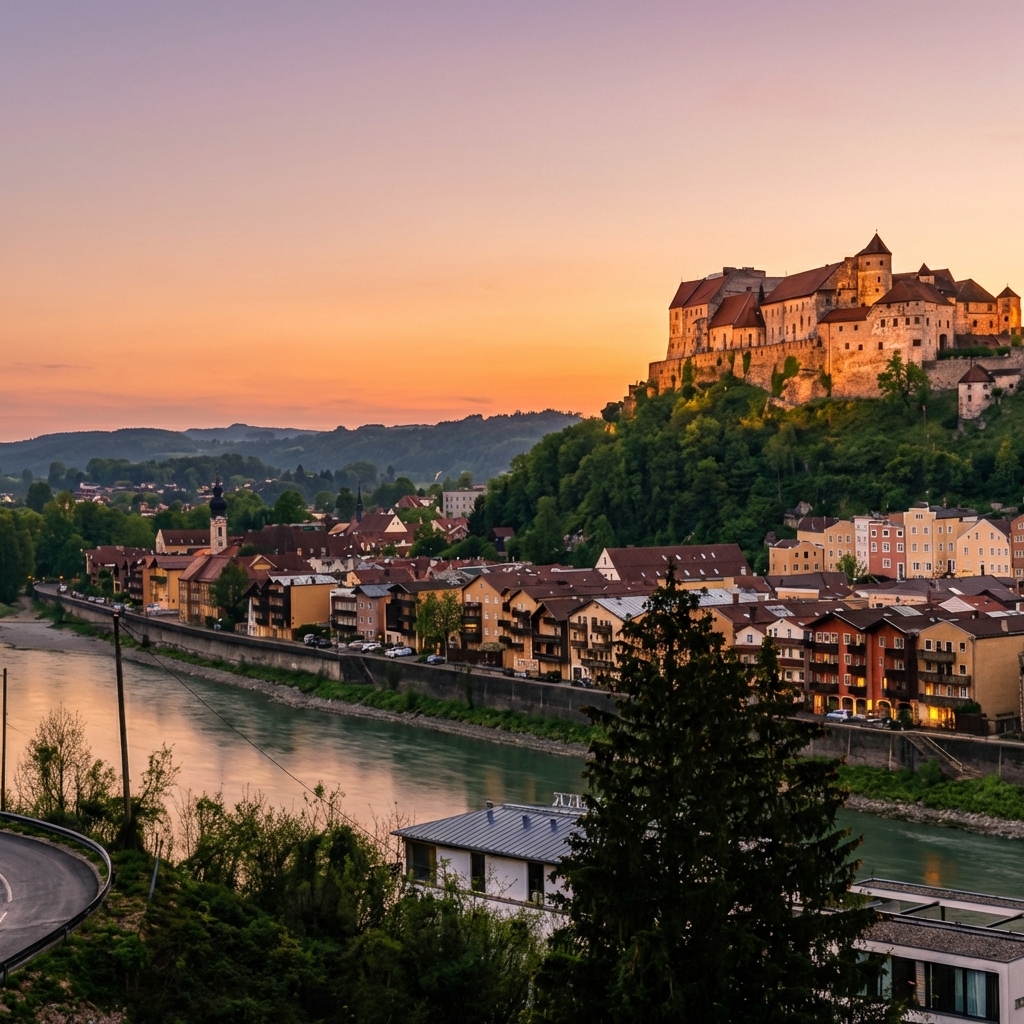 8
8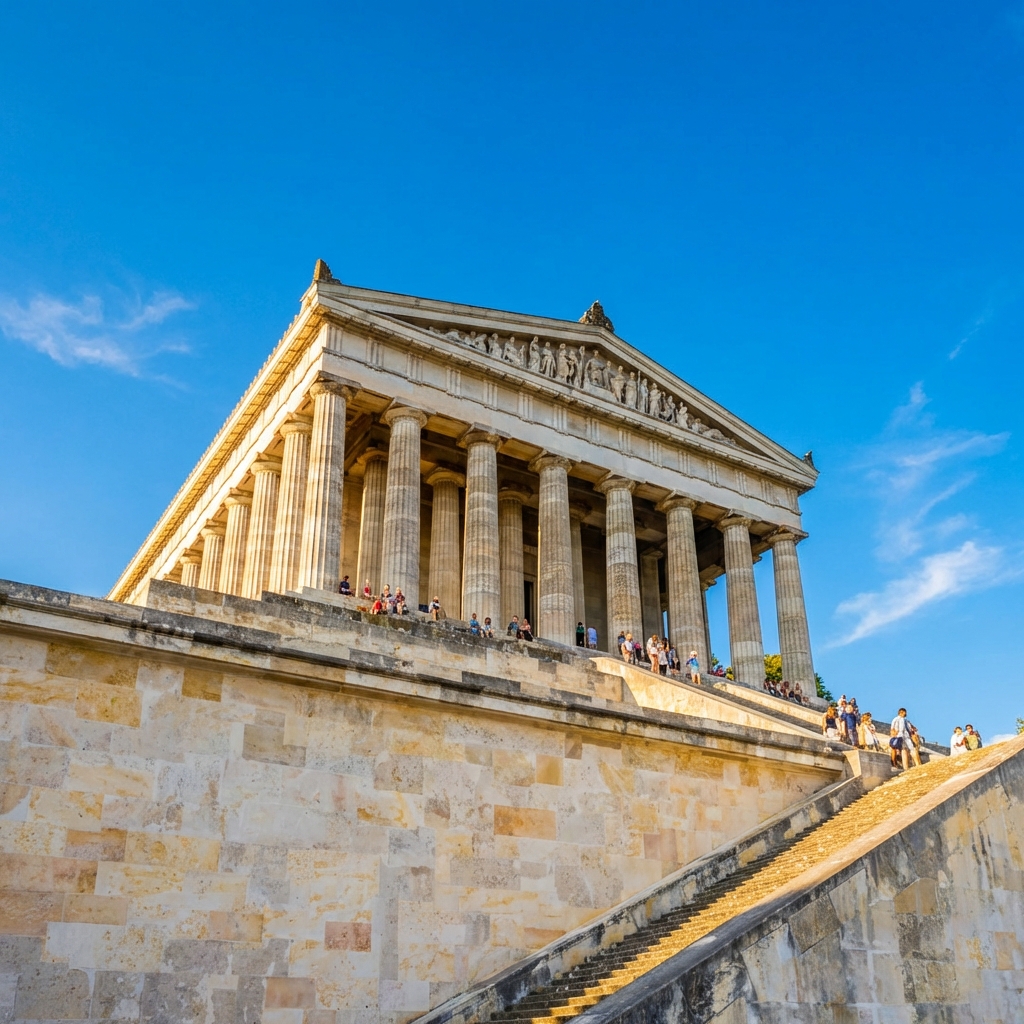 9
9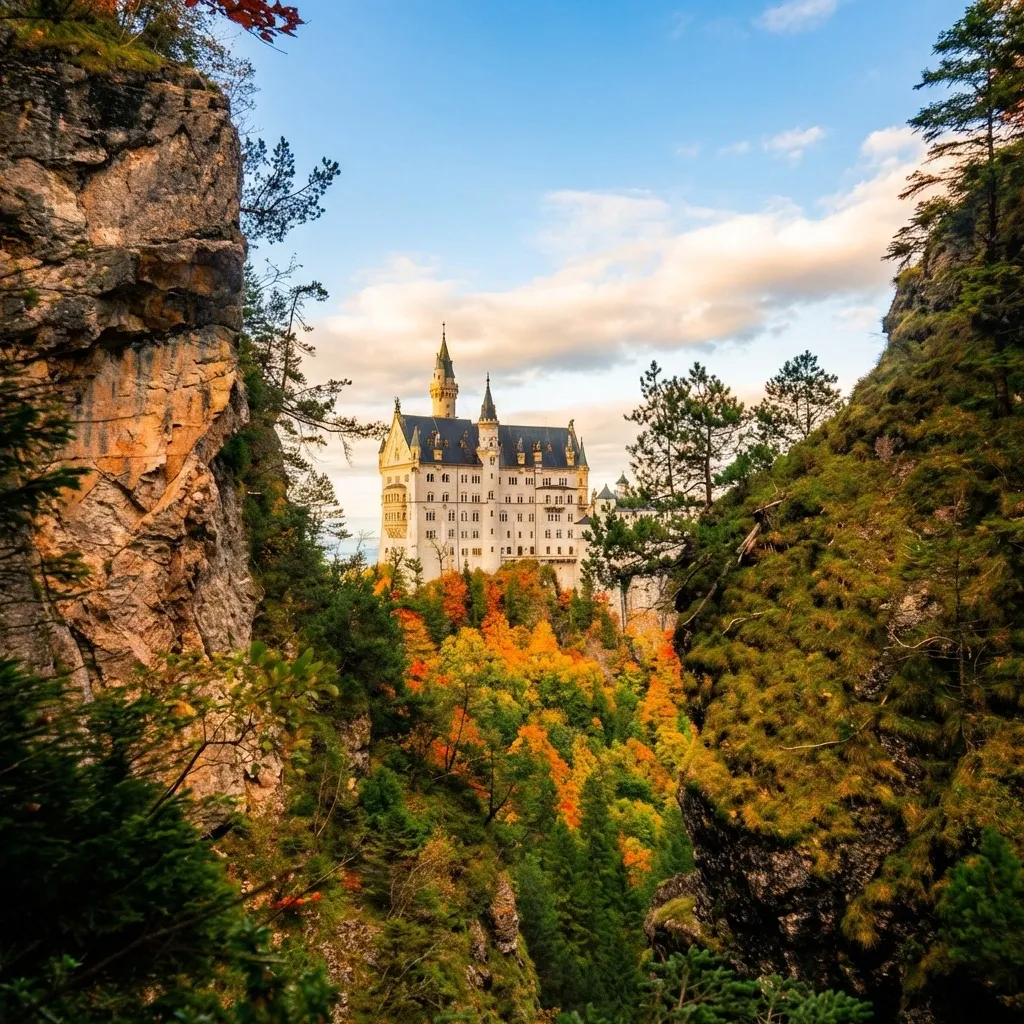 10
10Era Span
Roman to 20th Century
Main Risk
Crowds & Closures
Strategy
Book Ahead
Ranked by Historical Significance
The Top 10
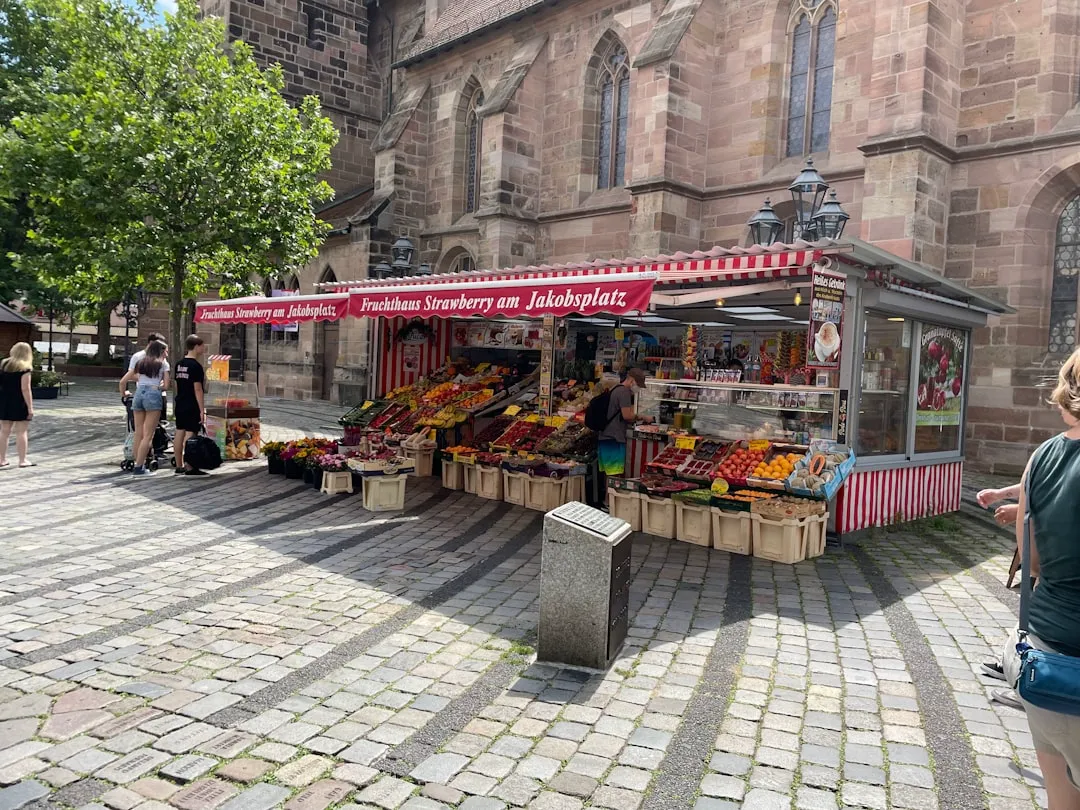
Nuremberg→
No city in Germany covers more historical ground. The Imperial Castle (Kaiserburg) was the seat of the Holy Roman Empire. Below it, a medieval old town with dungeons and rock-cut cellars. And on the outskirts, the Nazi Party Rally Grounds—where you confront the 20th century's darkest chapter head-on.
The Real Deal
Two Stories, One Day: Don't try to do the medieval old town and the Doku-Zentrum (Nazi documentation center) in the same afternoon. They're 4km apart, and mentally switching between the Middle Ages and the Third Reich is exhausting. Split it over two visits.
Underground Secrets: The Historischer Kunstbunker (art bunker) and medieval rock-cut beer cellars require separate tickets and guided tours. Book the bunker tour online—it sells out weeks ahead in summer.
Bamberg→
The entire old town is a UNESCO World Heritage Site—and it earned it. Bamberg avoided major bombing in WWII, so what you see is genuine: the medieval cathedral on the hill, the baroque town houses, and the famous Altes Rathaus (Old Town Hall) built on an island in the river. It's Germany's best-preserved medieval city.
The Real Deal
The Three-City Structure: Bamberg has three distinct zones: the Bergstadt (cathedral hill), the Inselstadt (island with the merchants), and the Gärtnerstadt (the gardeners' quarter). Most tourists only see the first two. Walk into the Gärtnerstadt for quiet lanes and original medieval vegetable gardens still in use.
The Bamberger Reiter Mystery: In the cathedral, you'll find the famous "Bamberg Horseman"—a 13th-century statue whose identity is still unknown. Some say it's a king, others an ideal knight. It's one of medieval Europe's greatest sculptures, and nobody knows who it is.
Regensburg→
Another UNESCO World Heritage city, but with a different flavor. Regensburg was a Roman garrison (Castra Regina), then a Free Imperial City where the Reichstag met for 150 years. The Stone Bridge (Steinerne Brücke) from 1146 is an engineering marvel. The cobblestone streets haven't changed since the Middle Ages.
The Real Deal
The Bridge is Half-Closed: The Stone Bridge is under long-term restoration. You can walk on it, but expect scaffolding and detours. The view from Stadtamhof (the island neighborhood) is still worth it.
Walhalla Day Trip: Just 10km east, the Walhalla monument overlooks the Danube. It's modeled on the Parthenon and honors 130+ famous Germans. You can combine both in one day, but start early—there are 358 steps up to Walhalla from the river.
Munich Residenz→
The largest urban palace in Germany. For 600 years, the Wittelsbach dynasty ruled Bavaria from here, and they filled 130 rooms with art, gold, and ego. The Antiquarium alone—a Renaissance hall covered in frescoes—is one of the largest and most ornate rooms in Europe. The Treasury holds the crown jewels.
The Real Deal
Ticket Math: There are THREE separate tickets: the Residenz Museum (the main rooms), the Treasury (Schatzkammer), and the Cuvilliés Theatre. If you want all three, buy the combination ticket. Otherwise, you'll pay more at each entrance.
Museum Fatigue is Real: The Residenz has over 130 rooms. If you try to absorb everything, you'll be exhausted by room 50. Pick your battles: the Antiquarium, the Ancestral Gallery, and the Treasury are the essentials.
Rothenburg ob der Tauber→
The most complete medieval walled town in Germany. The city walls are 100% intact and fully walkable. Every cobblestone, half-timbered house, and gate tower looks like a film set—because it basically is. Rothenburg was spared in WWII and then carefully restored to its 16th-century appearance.
The Real Deal
The Disney Effect: By 11 AM, tour buses unload hundreds of day-trippers. The main square becomes a photo scrum. Stay overnight—between 6 PM and 9 AM, you'll have the medieval streets almost to yourself. It's a completely different experience.
Walk the Walls: The covered walkway on top of the city walls is free and open to all. Most tourists miss it. Start at the Klingentor gate and do the full circuit—about 2.5km with views into private gardens and across the Tauber valley.
Dachau Memorial→
The first Nazi concentration camp, opened in 1933. It's not a place you "enjoy"—it's a place you witness. The documentation is unflinching, the reconstructed barracks are haunting, and the "Never Again" memorial demands you confront humanity's capacity for evil. It's 20 minutes from central Munich.
The Real Deal
Give It Time: Plan at least 3 hours. The exhibition is extensive and emotionally demanding. Rushing through would be disrespectful and pointless. There's also a short film (in multiple languages) that provides essential context.
The Hidden Site: Few visitors know about the SS Shooting Range at Hebertshausen, 2km north, where over 4,000 Soviet POWs were executed. It's now a separate memorial site—quieter and more desolate than the main camp.
Würzburg→
The Würzburg Residenz is a UNESCO World Heritage Site and one of Europe's finest Baroque palaces. The staircase ceiling, painted by Tiepolo, is the largest fresco in the world. Above the city, the Marienberg Fortress has guarded the Main River since the Bronze Age. This is where Franconian wine country begins.
The Real Deal
Guided Tours Only: The most important rooms of the Residenz (the staircase, the White Hall, the Imperial Hall) can only be seen with a guided tour. Tours run frequently but fill up fast. Join the first tour of the day or book online.
The Fortress Climb: Marienberg Fortress is a steep 20-minute climb from the old bridge. Take the bus if you're not up for it. The fortress museum is actually excellent—better than most tourists expect—covering 3,000 years of local history.
Burghausen Castle→
The longest castle in the world—1,051 meters of medieval fortification stretched along a narrow ridge. Unlike Neuschwanstein (a 19th-century fantasy), Burghausen is the real thing: a genuine Gothic fortress that survived the Thirty Years' War intact. It's one of the most underrated historical sites in Bavaria.
The Real Deal
It's Huge: A full tour of the castle complex takes 2-3 hours. There are six separate courtyards, each with its own museums and buildings. Wear comfortable shoes—you'll cover a lot of ground on uneven medieval pavement.
The Town Below: Burghausen's old town (along the Salzach River) is charming and almost tourist-free. The view of the castle from below is spectacular—this is where you take the photo. The Austrian border is a 5-minute walk away.
Walhalla→
A Greek temple on a cliff above the Danube? Yes. King Ludwig I built this neoclassical hall of fame in 1842 to honor distinguished Germans throughout history. Inside, 130+ busts line the walls—from Charlemagne to Bach to Einstein (added in 2018). It's grandiose, slightly bizarre, and utterly Bavarian.
The Real Deal
The 358 Steps: If you arrive by boat (the scenic route from Regensburg), you face 358 marble steps to the top. It's a workout. If you drive, the parking lot is at the top—but then you miss the dramatic approach. Your call.
It's Just One Room: The interior is stunning but small—a single marble hall with the busts. You'll be done in 20-30 minutes. The real experience is the setting: the view over the Danube is worth the trip.
Neuschwanstein Castle→
The fairytale castle. King Ludwig II's romantic vision, built in the 1870s, is the most photographed castle in the world and the inspiration for Disney's Sleeping Beauty Castle. It's not medieval—it's 19th-century historicism—but it's become Bavaria's most iconic symbol. Love it or hate it, you have to see it.
The Real Deal
Tickets Sell Out: In summer, same-day tickets are often gone by 10 AM. Book online weeks in advance at the official site. Third-party "skip the line" tours are overpriced and often don't skip anything—the castle controls all access.
Don't Forget Hohenschwangau: Right across the valley is King Ludwig's childhood home, Hohenschwangau Castle. It's less famous but equally interesting—and the tour explains why Ludwig became obsessed with castles in the first place. Get the combo ticket.