Top 10 Castles
& Palaces
Bavaria's Wittelsbach kings had a castle obsession that left us with some of Europe's most spectacular royal residences. From Ludwig II's romantic fantasies to genuine medieval fortresses that survived centuries.
Here are the 10 essential castles and palaces—from the world-famous to the surprisingly underrated—with real tips on tickets, timing, and what most guides won't tell you.
 1
1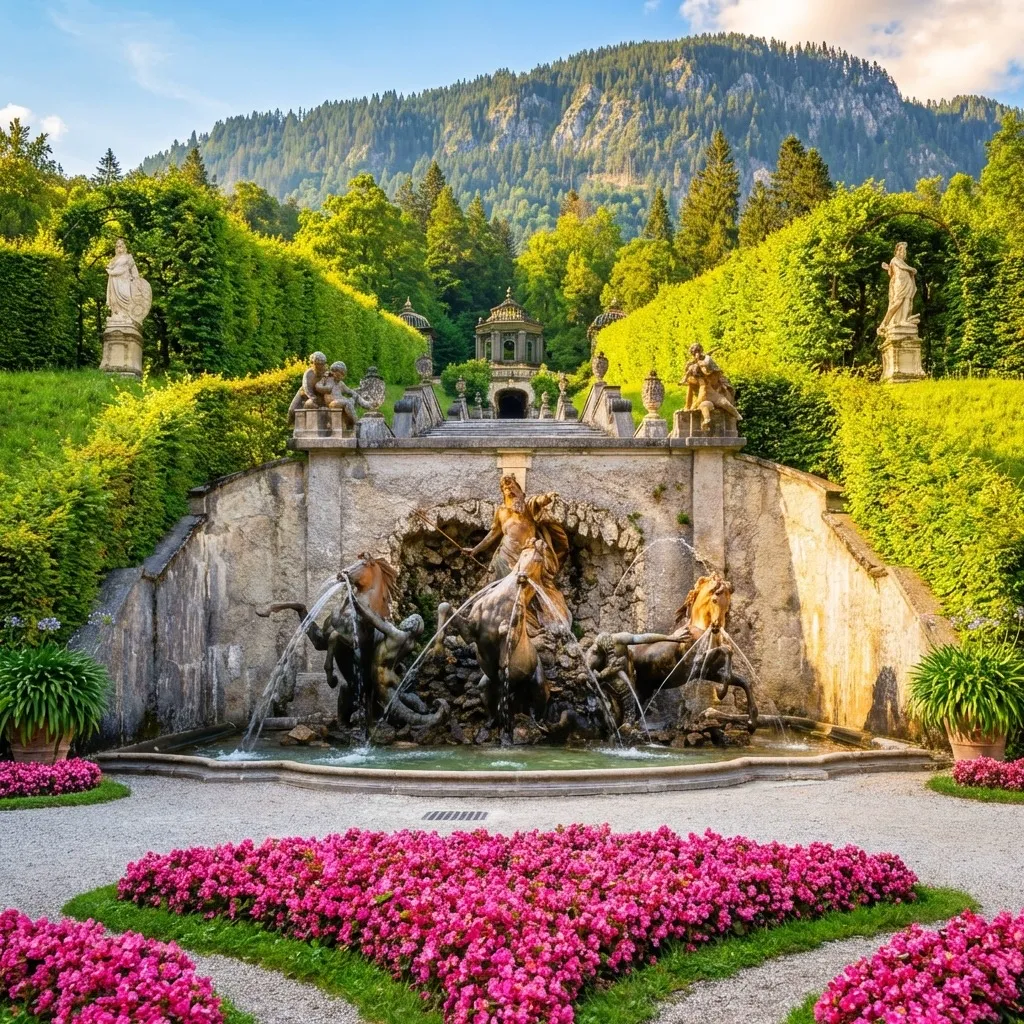 2
2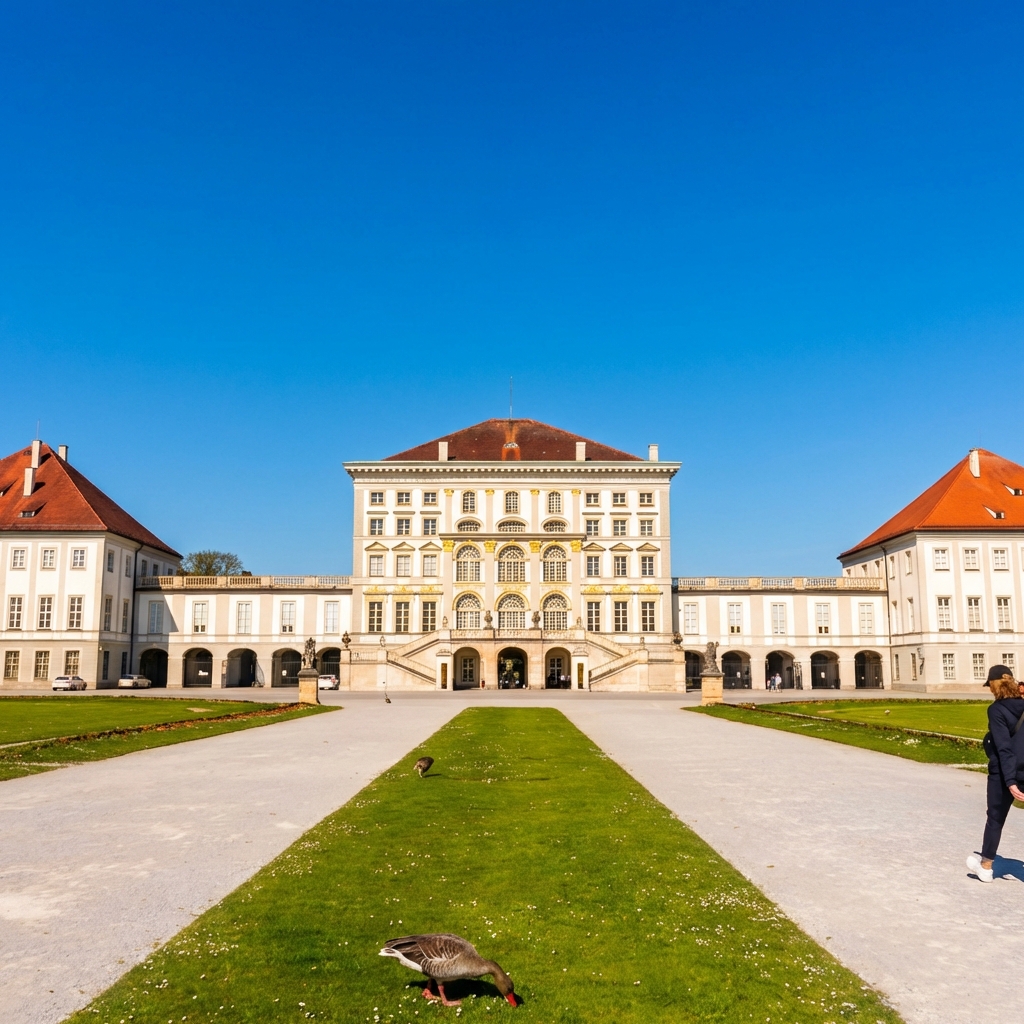 3
3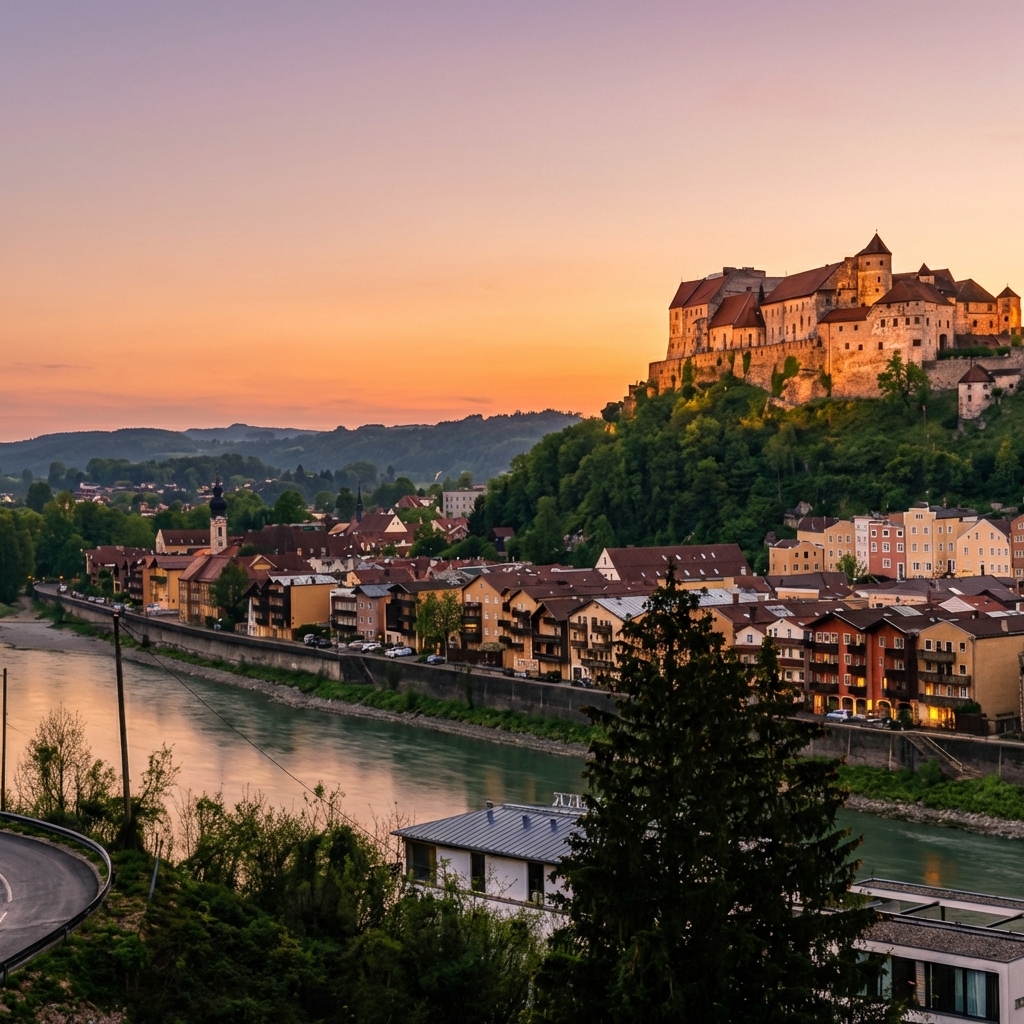 4
4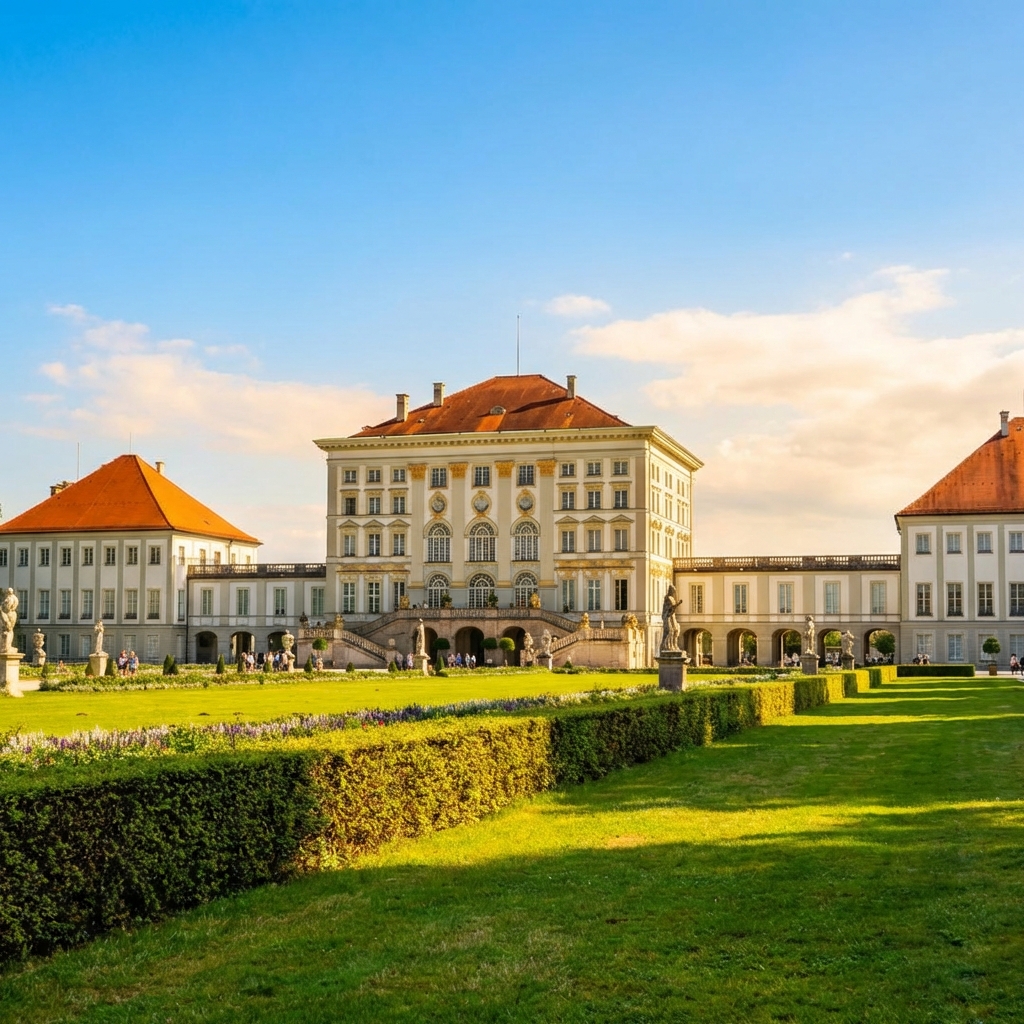 5
5 6
6 7
7 8
8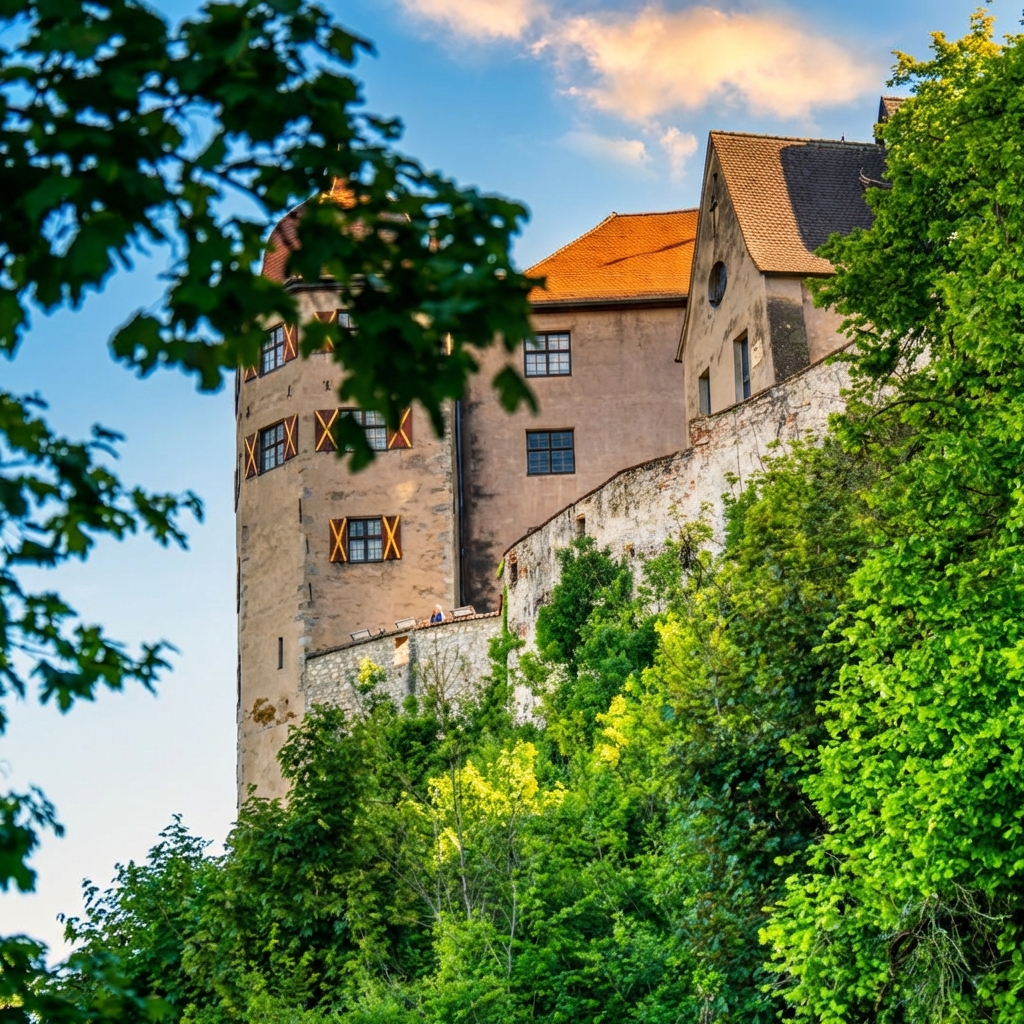 9
9 10
10Era
Medieval to 19th C
Main Risk
Sold-Out Tickets
Strategy
Book 2+ Weeks Ahead
Ranked by Visitor Experience
The Top 10
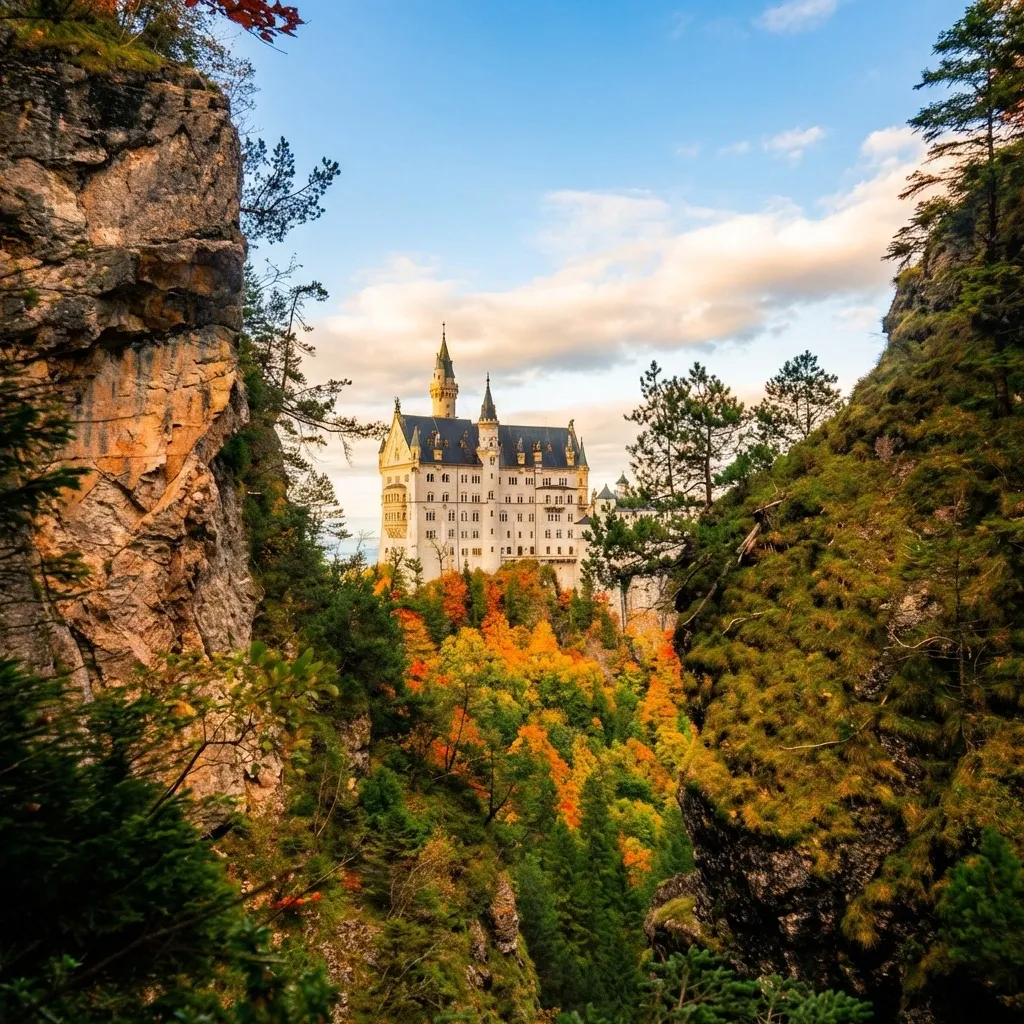
Neuschwanstein Castle→
The fairytale castle. King Ludwig II's romantic masterpiece inspired Disney's Sleeping Beauty Castle and draws 1.5 million visitors annually. Love it or hate the crowds, it's an icon you have to see at least once.
The Real Deal
Book 2+ Weeks Ahead: Same-day tickets are often gone by 10 AM in summer. The official website is the only legitimate source—third-party "skip the line" tours don't actually skip anything.
Don't Skip Hohenschwangau: Ludwig's childhood home is right across the valley. It's less crowded and explains why he became castle-obsessed. Get the combo ticket.
Linderhof Palace→
Ludwig II's only completed palace. Smaller than Neuschwanstein but dripping with rococo excess. The legendary Venus Grotto—an artificial cave with theatrical blue lighting—reopens in April 2025 after 10 years of restoration.
The Real Deal
Grotto Reopening: The Venus Grotto was closed for a decade. When it reopens in 2025, expect initial crowds. Book well ahead.
Gardens Matter: The palace is small (30-minute tour), but the gardens are extensive. Budget 2-3 hours total to explore the Moorish Kiosk and cascades.
Munich Residenz→
Germany's largest urban palace. 130 rooms of Wittelsbach power spanning 600 years. The Antiquarium is one of Europe's largest Renaissance halls, and the Treasury holds crown jewels that rival any in Europe.
The Real Deal
Three Tickets: The Residenz Museum, Treasury, and Cuvilliés Theatre are separate admissions. Buy the combo and start with the Treasury (smaller, more "wow") before museum fatigue sets in.
Pick Your Battles: 130 rooms is too many. Prioritize the Antiquarium, Ancestral Gallery, and Treasury. Skip the minor chambers.
Burghausen Castle→
The world's longest castle—1,051 meters of medieval fortification stretched along a ridge. Unlike Neuschwanstein (a fantasy), Burghausen is the real thing: a genuine Gothic fortress that survived the Thirty Years' War intact.
The Real Deal
It's Huge: Six courtyards, multiple museums, 2-3 hours minimum. Wear comfortable shoes—you'll cover serious distance on uneven medieval pavement.
Free Underground Parking: The castle has free parking inside the complex. The view of the castle from the old town below is the money shot.
Schleissheim Palace Complex→
Three palaces and baroque gardens rivaling Versailles—20 minutes from Munich by S-Bahn. The New Palace has a 60-meter Great Gallery, and the grounds include the Lustheim hunting lodge with a world-class Meissen porcelain collection.
The Real Deal
Underrated Gem: Most tourists go to Nymphenburg. Schleissheim is grander, less crowded, and the gardens are free to enter.
Aviation Museum: The Flugwerft Schleissheim (aviation museum) is on the same grounds. Combine both for a full day—walk through the gardens between them.
Würzburg Residenz→
A UNESCO World Heritage baroque palace with the world's largest ceiling fresco by Tiepolo. The staircase alone is worth the trip. Above the city, Marienberg Fortress adds medieval counterpoint.
The Real Deal
Guided Tours Only: The main rooms (staircase, Imperial Hall) require guided tours. They run frequently but fill up—join the first tour of the day.
Wine at Sunset: The Old Bridge has excellent wine bars. Do the Residenz morning, fortress afternoon, wine on the bridge at sunset.
Nuremberg Imperial Castle→
The Kaiserburg was the seat of the Holy Roman Empire—every emperor from 1050 to 1571 stayed here. The medieval dungeons, rock-cut cellars, and Sinwell Tower offer a gritty counterpoint to Bavaria's baroque palaces.
The Real Deal
Tram Line 4: Don't walk up the hill. Tram 4 drops you at the top of the plateau, saving the steep climb for the way down.
Dungeons Age Limit: The Medieval Dungeons tour is strictly NO children under 10 due to graphic content about torture. The main castle is fine for all ages.
Herrenchiemsee Palace→
Ludwig II's "Bavarian Versailles" sits on an island in Chiemsee. The Hall of Mirrors is longer than the original at Versailles. Unfinished at Ludwig's death, it's a monument to royal ambition frozen in time.
The Real Deal
Ferry + Walk: You need a ferry to the island, then a 20-minute walk (or horse carriage) to the palace. Factor in 4+ hours for the full experience.
Fraueninsel Too: The ferry combo includes Fraueninsel—a tiny island with a medieval convent and beer garden. Worth the stop.
Harburg Castle→
One of Germany's most authentic medieval fortresses. Unlike most castles, Harburg escaped destruction in the Thirty Years' War and avoided 19th-century romantic reconstruction. What you see is genuinely medieval.
The Real Deal
Romantic Road Stop: Harburg is on the Romantic Road between Nördlingen and Donauwörth. It combines well with the meteorite crater town (Nördlingen) for a day trip.
Still Inhabited: Parts of the castle are still privately occupied by the Oettingen-Wallerstein family. Tours only access certain areas.
Kufstein Fortress→
Just across the Austrian border, this massive fortress commands the Inn River gateway. The Heldenorgel (Heroes' Organ) is the world's largest outdoor organ, played daily at noon—audible across the entire town.
The Real Deal
Noon Organ: Time your visit to hear the Heldenorgel at 12:00. You don't need to be inside the fortress—the sound carries across the valley.
Austria Rules: This is Austria, not Germany. Different currency handling (more cash-focused), and Bayern-Ticket is NOT valid. Check train tickets carefully.